Automation & Instrumentation Technology
Why Automation & Instrumentation Technology?
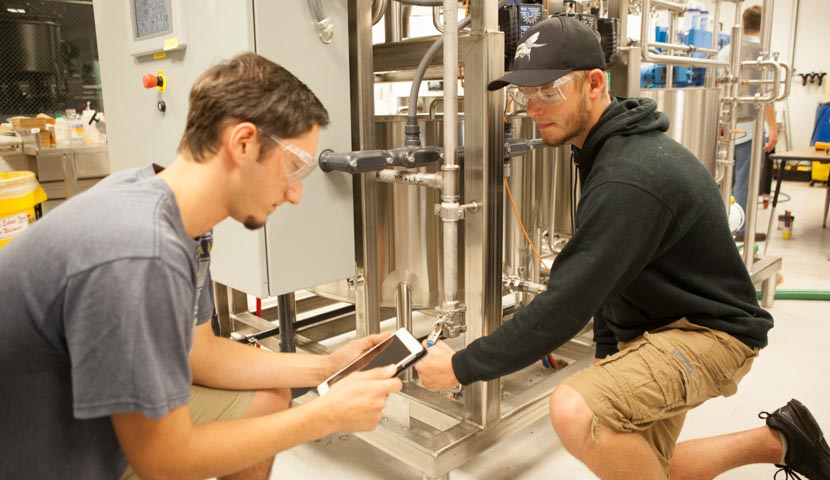
Automation and instrumentation drive precision and efficiency behind modern manufacturing. In this program, you will learn to measure, control, and optimize industrial processes to save energy, reduce downtime, and improve production quality. You will develop the math, electronics, and problem-solving skills that keep high-tech industries running smoothly.
Unique in the Wisconsin Technical College System, the Automation & Instrumentation Technology program at Mid-State prepares graduates to measure and control industrial processes in today’s advanced manufacturing environments. At Mid-State, you will train in the Advanced Manufacturing, Engineering, Technology and Apprenticeship (AMETA®) Center, learning directly from instructors with industry experience. You’ll gain real-world experience working with the same tools and technologies used in the field and graduate ready for high-demand technical positions.
Program Facts
Program Outcomes
Graduates leave ready to succeed in their careers. Each year, data from Mid-State's Graduate Survey and statewide reports show consistently high satisfaction and strong starting salaries. Here's a snapshot of what success looks like after graduation.
Career Opportunities
Program Details
Take a closer look at what the program offers and what to expect.
Your course plan may vary, and you'll get a recommended sequence once you're enrolled. See below for full course details, see the program information guide, or talk with your advisor.
Meet our full-time instructors.
Robert Brylski, BS, MS
Robert earned his master of science degree from Florida State University. His experience includes engineering, management and executive positions in the energy industry as well as trade organizations. He has also taught for several years at colleges throughout Wisconsin in a wide range of subjects, including chemistry, engineering, energy, and brewing science. He currently owns an energy consulting company and is chief operating officer for a fuel production company.
“I believe we can make a positive difference in the lives of others through what we do every day. Teaching provides a direct pathway and is one of the most significant ways to create positive change for others. I have learned through my experiences that there are similarities across disciplines and that learning the fundamentals of one subject often transfers to new, seemingly unrelated subjects. This is what I try to impress upon my students every day.”
Employers will expect graduates of this program to be able to:
- Apply safety standards.
- Utilize troubleshooting strategies.
- Optimize instrumentation systems.
- Optimize hardware and output devices.
- Demonstrate programming in ladder logic.
- Demonstrate networking principles.
Alongside your career training, you'll develop key workplace strengths. Explore the additional skills you'll build.
To succeed in this program, you'll need to meet certain technical standards. These are the key skills and abilities needed for the program and future career success—with or without reasonable accommodations. Be sure to review them carefully before you apply.





Explore Other Options
Other Programs
Explore more Mid-State programs and find your path to success.

Workforce Training
Not ready for a full degree? Learn job-ready skills with our workforce training options.

Continuing Education
Add a new skill, explore a hobby, or take the next step in your career with our lifelong learning options.