Industrial Mechanical Technician
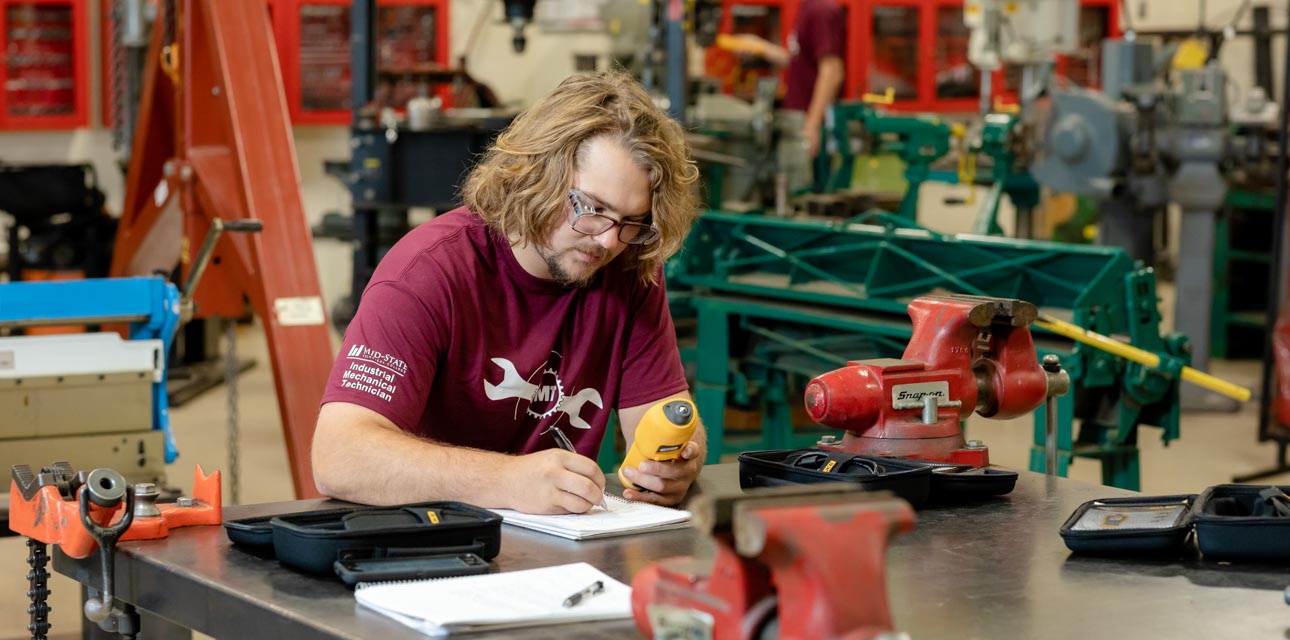
Why Industrial Mechanical Technician?
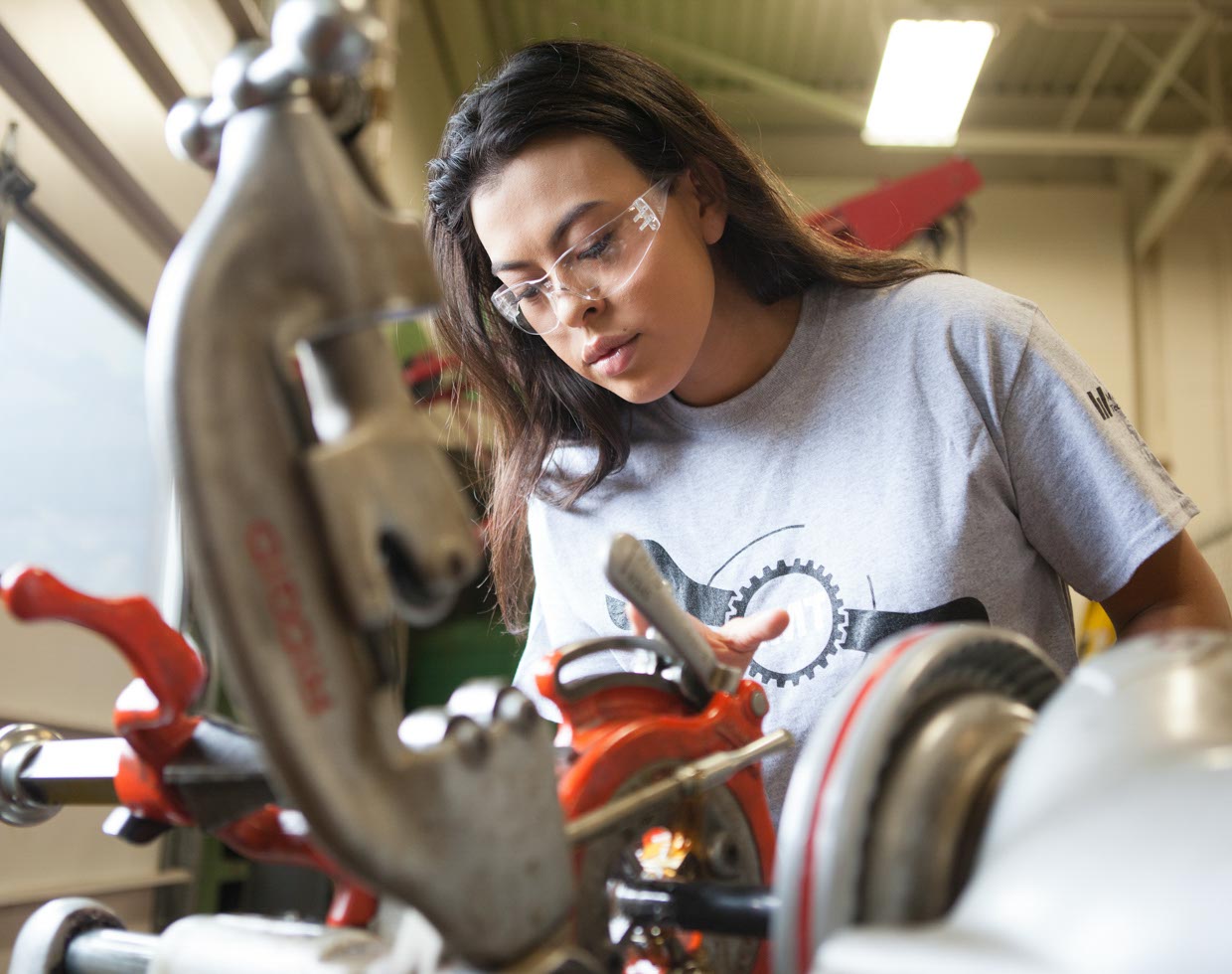
Industrial mechanical technicians are the problem-solvers who keep manufacturing operations running efficiently. In this program, you will learn to install, maintain, and repair mechanical and electrical systems used in today’s advanced manufacturing facilities. You’ll develop strong troubleshooting, safety, and technical skills that prepare you for a stable, high-demand career in Wisconsin’s growing industrial sector.
At Mid-State, learning takes place through extensive hands-on lab work and real-world projects guided by industry-experienced instructors. You’ll graduate ready to join a field with excellent pay, advancement opportunities, and long-term job security.
Program Facts
Program Outcomes
Graduates leave ready to succeed in their careers. Each year, data from Mid-State's Graduate Survey and statewide reports show consistently high satisfaction and strong starting salaries. Here's a snapshot of what success looks like after graduation.
Career Opportunities
Program Details
Take a closer look at what the program offers and what to expect.
Your course plan may vary, and you'll get a recommended sequence once you're enrolled. See below for full course details, see the program information guide, or talk with your advisor.
Meet our full-time instructors.
Michael Schultz, BS, MS
Michael earned his master of science degree from Eastern Kentucky University and is an authorized general industry trainer for OSHA 10 and 30. He has 18 years of industry experience and continually advances his own education. He also visits and connects with employers in manufacturing to maintain relationships and make connections between the experiences of his students and the needs of employers.
“Teaching in a technical college is a two-way street. I share my experiences with my students, and each student brings insight and experience as well. This cooperative dynamic enriches the learning for all of us.”
Employers will expect graduates of this program to be able to:
- Demonstrate safe work procedures.
- Install industrial equipment and systems.
- Maintain industrial equipment and systems.
- Troubleshoot industrial equipment and systems.
- Repair industrial equipment and systems.
- Communicate technical information.
Alongside your career training, you'll develop key workplace strengths. Explore the additional skills you'll build.
To succeed in this program, you'll need to meet certain technical standards. These are the key skills and abilities needed for the program and future career success—with or without reasonable accommodations. Be sure to review them carefully before you apply.






Explore Other Options

Other Programs
Explore more Mid-State programs and find your path to success.

Workforce Training
Not ready for a full degree? Learn job-ready skills with our workforce training options.

Continuing Education
Add a new skill, explore a hobby, or take the next step in your career with our lifelong learning options.