Jail Officer Academy

Why Jail Officer Academy?
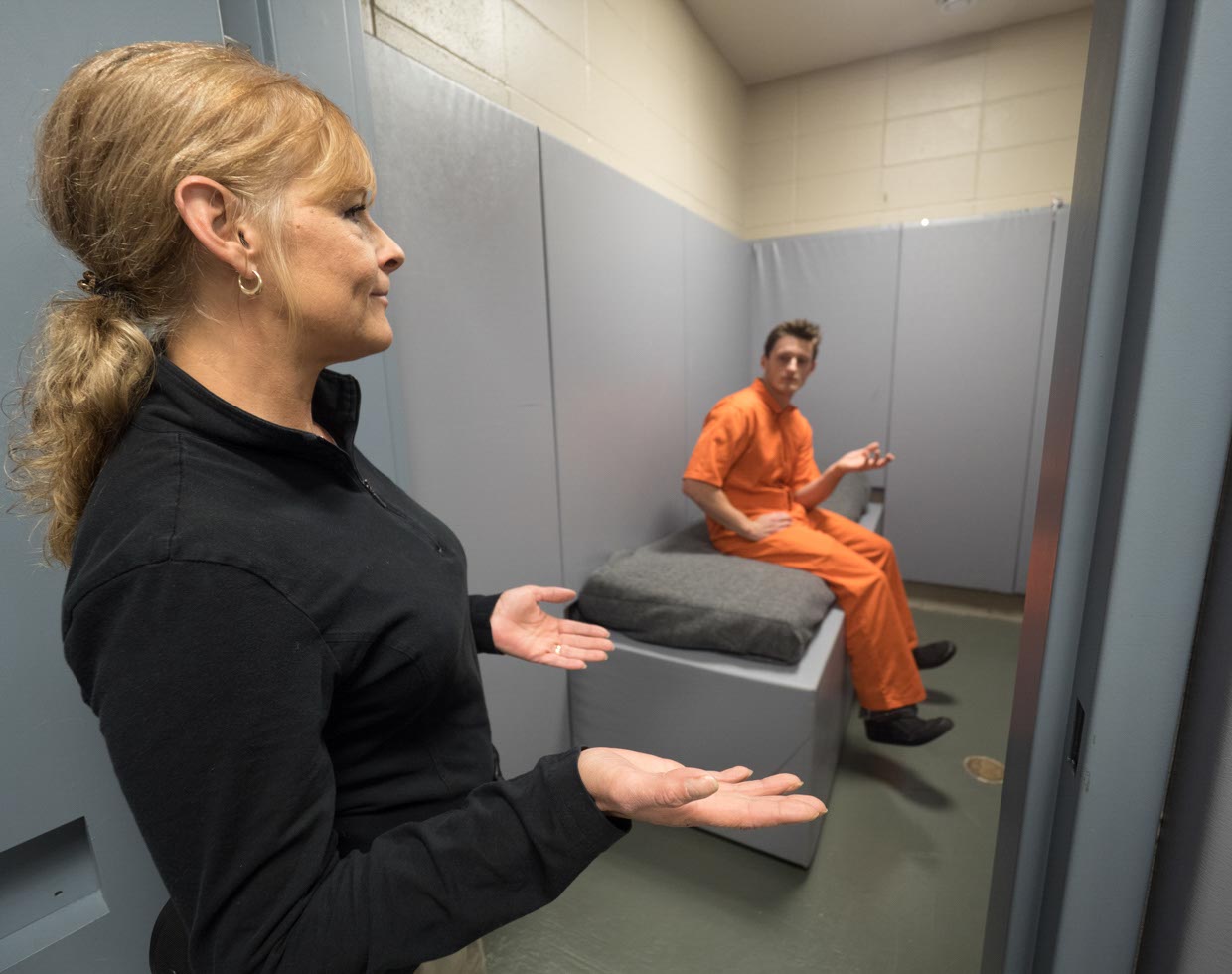
Correctional officers play a critical role in maintaining safety, order, and rehabilitation within correctional facilities. In this program, you’ll develop the skills and knowledge needed to manage inmate behavior, respond effectively to crises, and support individuals as they work toward positive change. You’ll gain the confidence to serve your community with professionalism and integrity.
At Mid-State, this one-semester academy meets the Wisconsin Department of Justice (DOJ) certification requirements to become a correctional officer. With hands-on training and expert instruction, you’ll be prepared for immediate employment and positioned for future advancement in public safety careers.
Program Facts
Program Outcomes
Graduates leave ready to succeed in their careers. Each year, data from Mid-State's Graduate Survey and statewide reports show consistently high satisfaction and strong starting salaries. Here's a snapshot of what success looks like after graduation.
Career Opportunities
Program Details
Take a closer look at what the program offers and what to expect.
Your course plan may vary, and you'll get a recommended sequence once you're enrolled. See below for full course details, see the program information guide, or talk with your advisor.
Meet our full-time instructors.
Candace Schmidt, AAS
Candace earned an AAS in corrections from Mid-State and is currently working to obtain her bachelor’s degree. Since earning her AAS, she has worked as a correctional officer for six years, with three of those years as a field training officer for new staff.
“In my journey I've discovered a determined passion for the realm of corrections and community advocacy. Through my experiences and knowledge, I am eager to share not just insight, but a sincere dedication to fostering positive change.”
Employers will expect graduates of this program to be able to:
- Explain the components of and interrelationships in the criminal justice system.
- Apply appropriate communication skills to public safety incidents.
- Establish situational safety.
- Engage effectively with vulnerable and disenfranchised individuals/populations.
- Adhere to accepted culturally competent, ethical, and behavioral conduct.
Alongside your career training, you'll develop key workplace strengths. Explore the additional skills you'll build.
To succeed in this program, you'll need to meet certain technical standards. These are the key skills and abilities needed for the program and future career success—with or without reasonable accommodations. Be sure to review them carefully before you apply.
This program prepares you for licensure to work in Wisconsin. If you plan to work in another state, be sure to check that state's licensure requirements—Mid-State's program may not meet them all. If you've applied to the program and have any questions about this information, talk to your advisor.
Explore the resources and next steps below. Your academic advisor will help you know what to complete and when.
Who Can Apply and How
There is a separate process for admission to the Jail Officer Academy. For more information on how to apply, please contact Kurt Heuer (715-422-5606)
US Citizenship
US Citizenship is required to sit for this licensure exam.





Quality You Can Trust
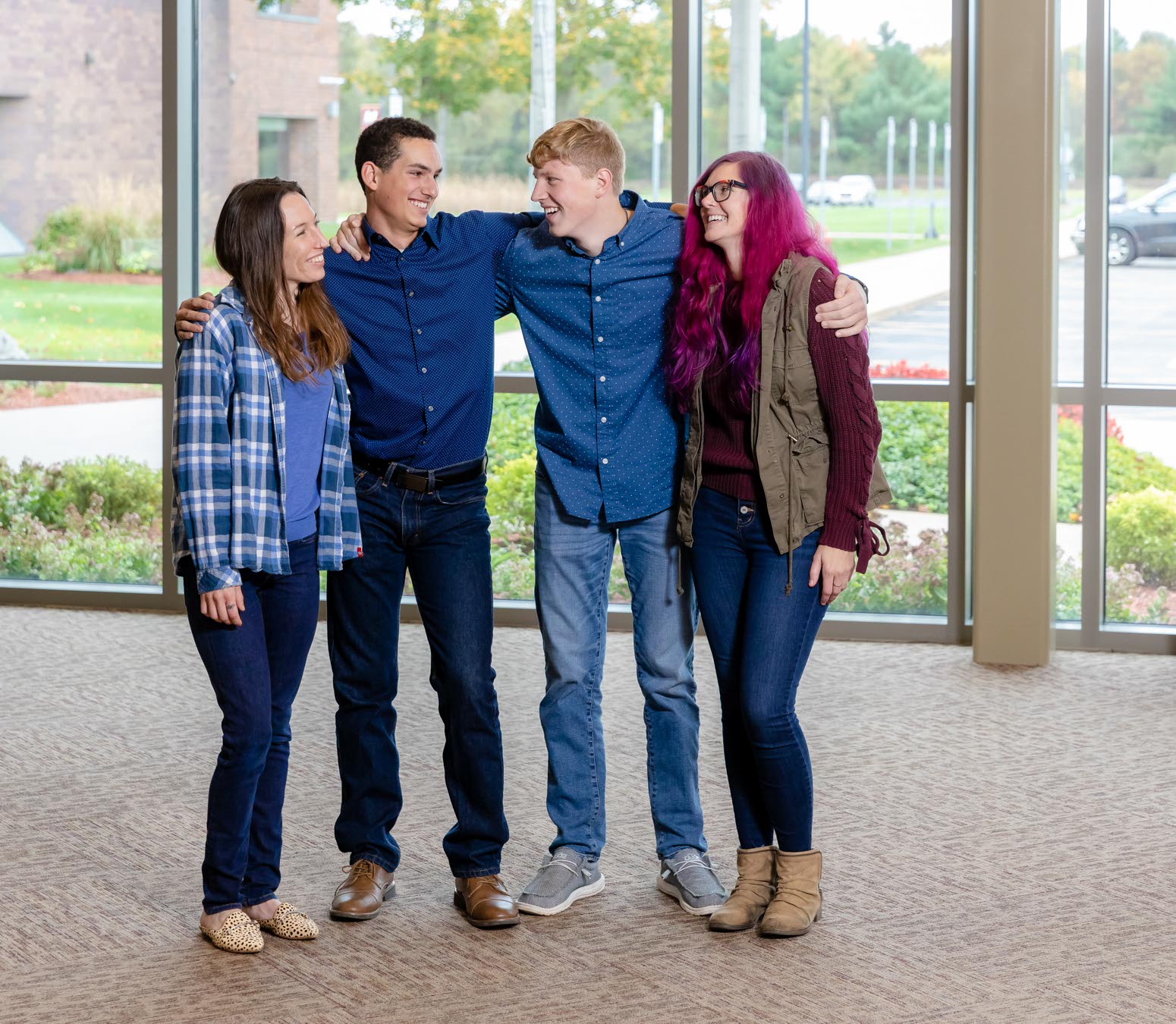
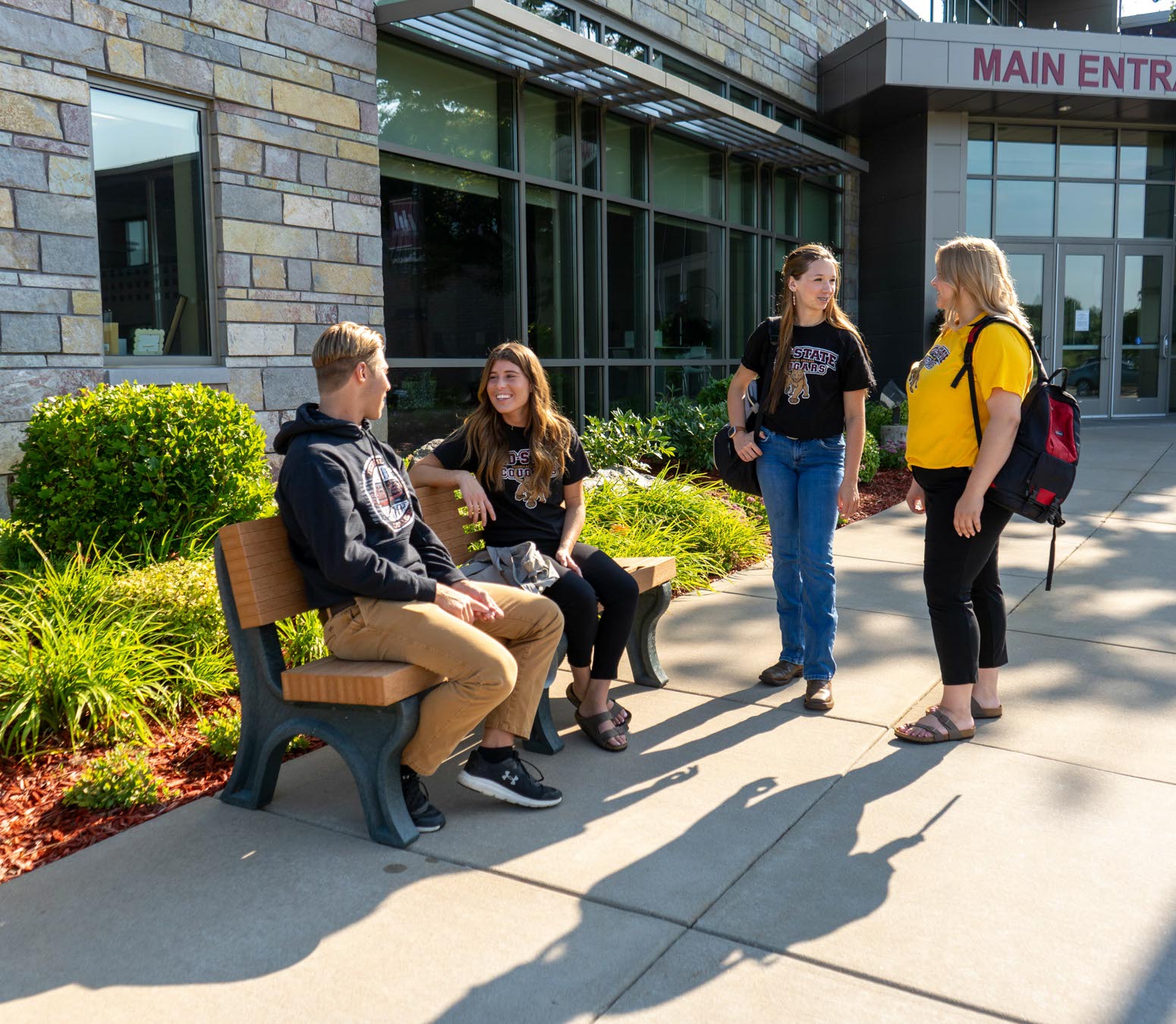
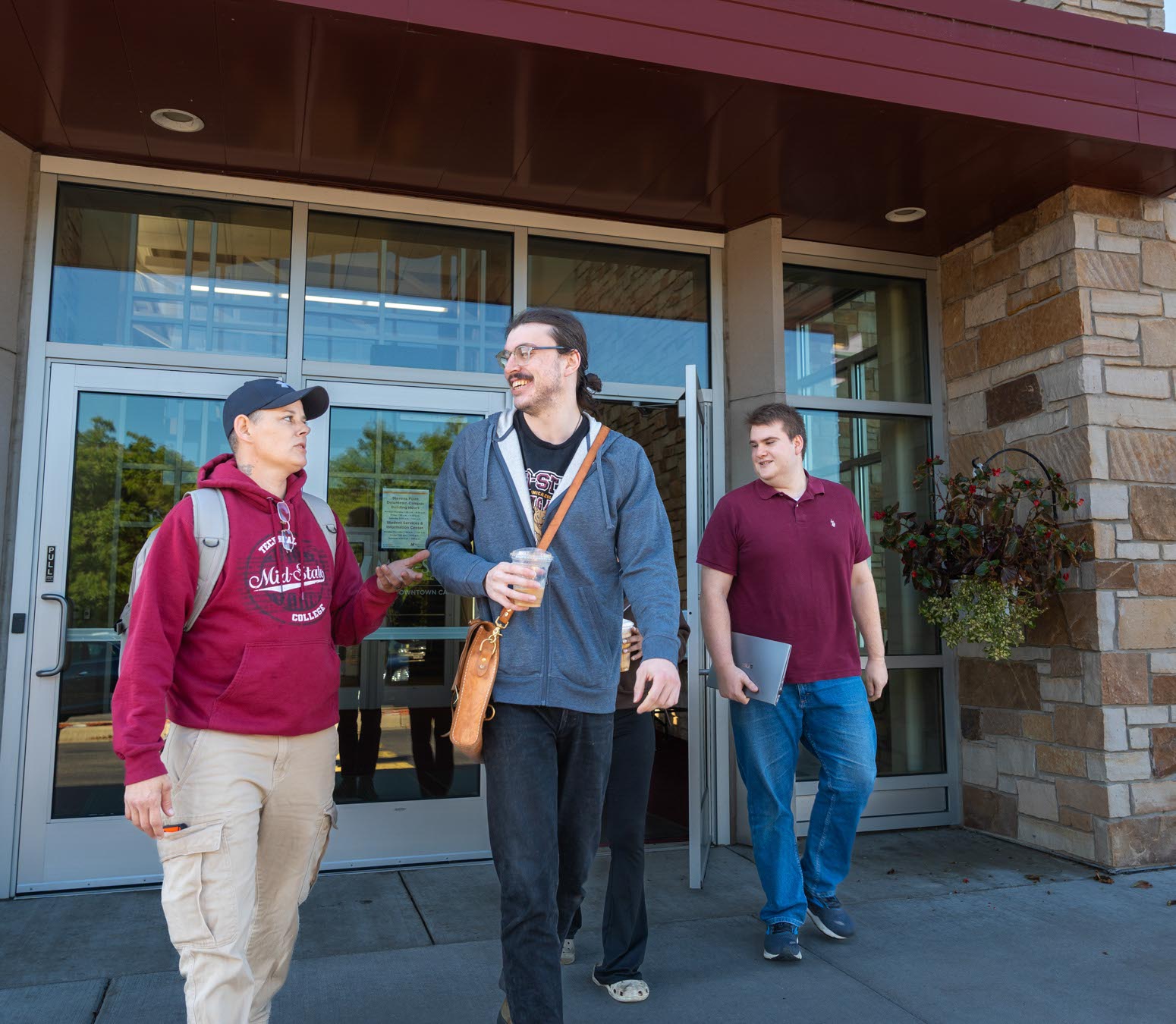
Program accreditation means your program meets high-quality standards recognized by employers and industry leaders. It ensures your education is respected, your credits are more likely to transfer, and your credential holds real value in the job market.
Mid-State’s Jail Officer Academy is approved by the Wisconsin Department of Justice Training and Standards Bureau.
Wisconsin Department of Justice (Wisconsin DOJ)
P.O. Box 7857
Madison, WI 53707-7857

Explore Other Options

Other Programs
Explore more Mid-State programs and find your path to success.

Workforce Training
Not ready for a full degree? Learn job-ready skills with our workforce training options.

Continuing Education
Add a new skill, explore a hobby, or take the next step in your career with our lifelong learning options.