Radiography
Why Radiography?
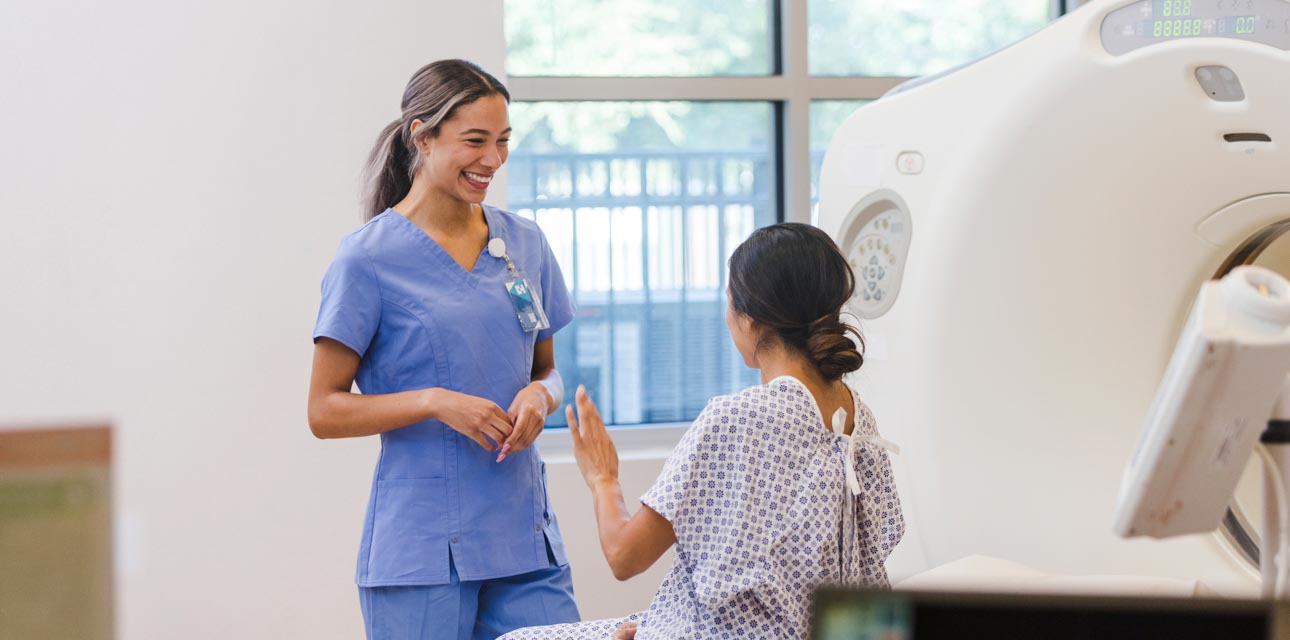
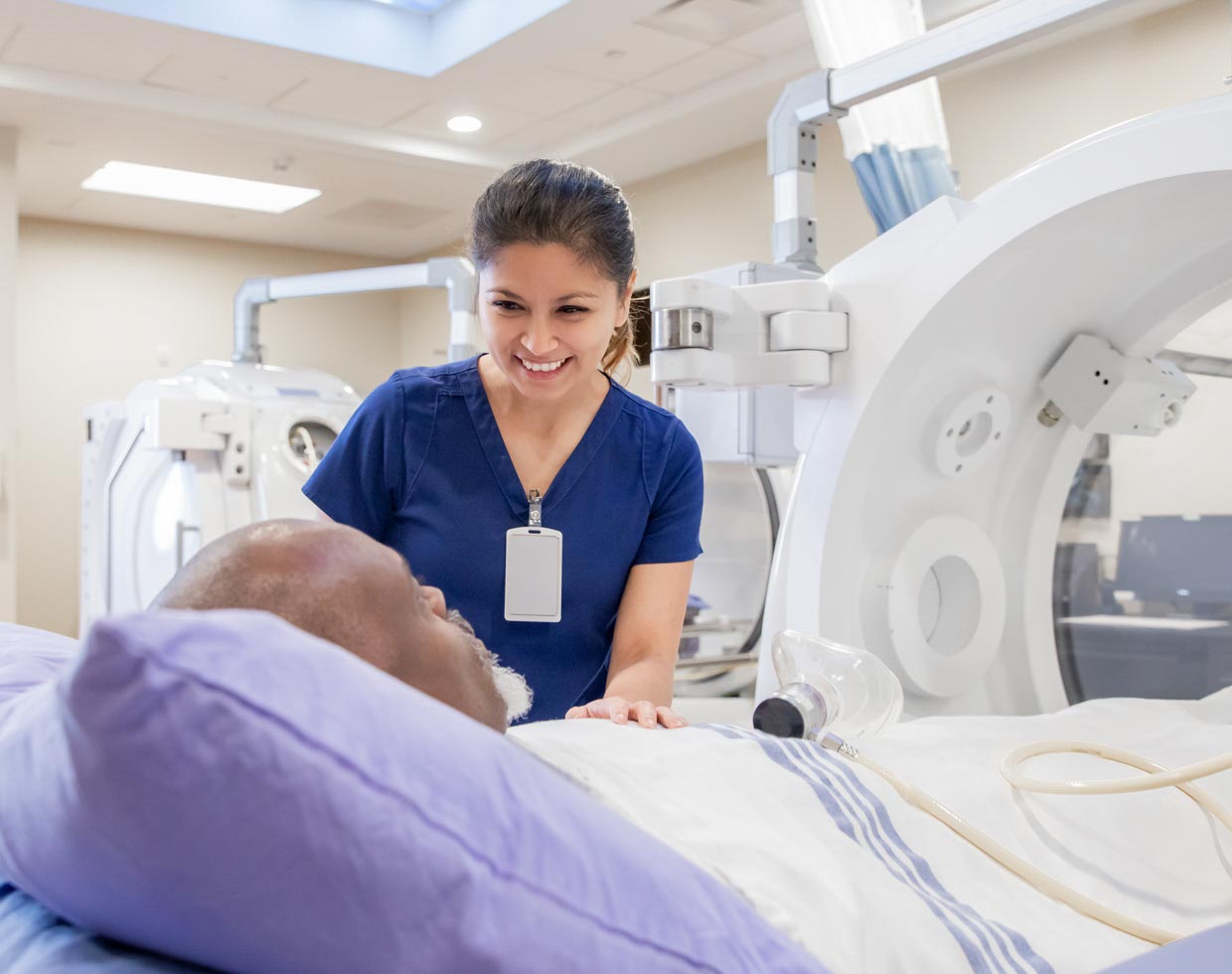
Radiographers use advanced imaging technology to help physicians diagnose injuries and disease with accuracy and care. In this program, you’ll learn to position patients, operate radiographic equipment, and produce high-quality diagnostic images while minimizing radiation exposure. You’ll also gain experience working in a variety of healthcare settings, from hospitals to outpatient clinics.
At Mid-State, you’ll complete theoretical and hands-on training through a shared program with Northcentral Technical College, including clinical rotations in real radiology departments. Graduates are eligible to apply for the American Registry of Radiologic Technologists (ARRT) certification examination and meet accreditation standards set by the Joint Review Committee on Education in Radiologic Technology (JRCERT).
Waiting List
This program may have a waitlist due to limited space and high demand. The waitlist helps ensure a fair and transparent process when there are more applicants than available seats. Waitlist priority is based on the date of application and Wisconsin residency. For more information about the waitlist process, visit Program Waitlists. If you would like to be contacted when the application reopens, please complete this inquiry form.
In the meantime, we invite you to explore other rewarding options in the School of Allied Health—you might find a great fit you hadn’t considered yet.
Program Facts
Program Outcomes
Graduates leave ready to succeed in their careers. Each year, data from Mid-State's Graduate Survey and statewide reports show consistently high satisfaction and strong starting salaries. Here's a snapshot of what success looks like after graduation.
Career Opportunities
Program Details
Take a closer look at what the program offers and what to expect.
Your course plan may vary, and you'll get a recommended sequence once you're enrolled. See below for full course details, see the program information guide, or talk with your advisor.
Employers will expect graduates of this program to be able to:
- Apply critical thinking and problem solving skills in the practice of diagnostic radiography.
- Model professional and ethical behavior consistent with the ARRT Code of Ethics.
- Provide quality patient care.
- Practice radiation safety principles.
- Carry out the production and evaluation of radiographic images.
Alongside your career training, you'll develop key workplace strengths. Explore the additional skills you'll build.
To succeed in this program, you'll need to meet certain technical standards. These are the key skills and abilities needed for the program and future career success—with or without reasonable accommodations. Be sure to review them carefully before you apply.
This program prepares you for licensure to work in Wisconsin. If you plan to work in another state, be sure to check that state's licensure requirements—Mid-State's program may not meet them all. If you've applied to the program and have any questions about this information, talk to your advisor.






Explore Other Options

Other Programs
Explore more Mid-State programs and find your path to success.

Workforce Training
Not ready for a full degree? Learn job-ready skills with our workforce training options.

Continuing Education
Add a new skill, explore a hobby, or take the next step in your career with our lifelong learning options.