Respiratory Therapy
Why Respiratory Therapy?
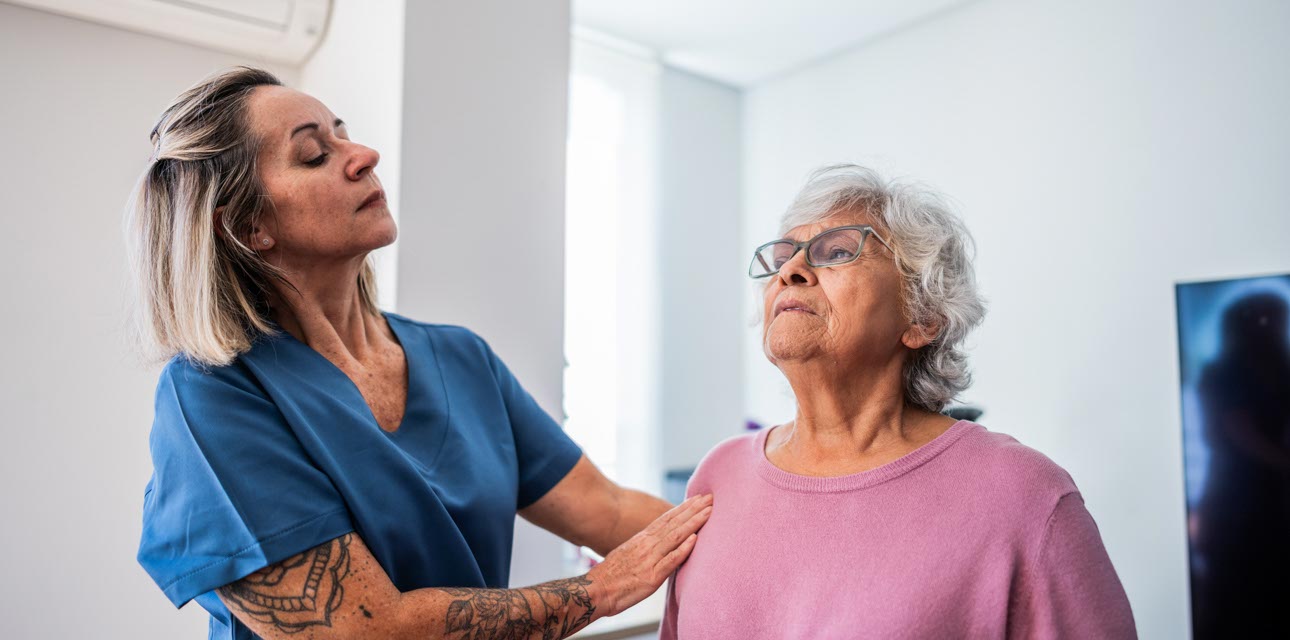
Respiratory therapists help patients breathe easier when it matters most. In this program, you’ll learn to care for individuals with acute and chronic cardiopulmonary conditions, from premature infants with underdeveloped lungs to older adults with respiratory disease. You’ll also gain experience responding to medical emergencies, supporting patients through trauma, and improving quality of life through skilled respiratory care.
At Mid-State, you’ll study airway management, life support, pulmonary rehabilitation, medication delivery, and the use of therapeutic medical gases. The program combines classroom instruction with hands-on clinical experiences using real equipment and working with patients at local hospitals and healthcare agencies. Students benefit from hands-on simulation experiences in the Healthcare Simulation Center that enhance and support their clinical training. Graduates are prepared to work under medical direction in a variety of healthcare settings where respiratory expertise is essential.

Program Facts
Program Outcomes
Graduates leave ready to succeed in their careers. Each year, data from Mid-State's Graduate Survey and statewide reports show consistently high satisfaction and strong starting salaries. Here's a snapshot of what success looks like after graduation.
Career Opportunities
Program Details
Take a closer look at what the program offers and what to expect.
Your course plan may vary, and you'll get a recommended sequence once you're enrolled. See below for full course details, see the program information guide, or talk with your advisor.
Meet our full-time instructors.
Nick Goldberg, AAS, BS, RRT
Nick earned his BS in career and technical education from UW-Stout. He also holds an associate degree in applied science in respiratory care from Mid-State Technical College and is a licensed respiratory therapist with national certification. He has worked as a respiratory therapist at Marshfield Medical Center for 17 years and was a clinical preceptor for Mid-State’s Respiratory Therapy program at Marshfield Medical Center for 8 years prior to accepting his current position as program director for the Respiratory Therapy program.
"I enjoy spreading my knowledge of respiratory care to the future respiratory therapists now coming through the program. I love seeing the “aha” moments and hearing the excitement in a student’s voice when they gain an understanding of new concepts."
Holly Klumb, AAS, BS, RRT
Holly holds a BS in kinesiology from UW-Eau Claire in addition to associate degrees in respiratory therapy and educational sign language interpreting. She is a licensed Respiratory Care Practitioner in the state of Wisconsin and a Registered Respiratory Therapist by the National Board for Respiratory Care. Holly’s work experience includes six years as a respiratory therapist, with experience in critical care units as well as emergency room and neonatal care. She was a member of the NICU transport team for three years and a member of the chronic obstructive pulmonary disease educational team, where she worked with patients to support healthy lifestyle changes. She is certified in Basic Life Support, Pediatric Advanced Life Support, Neonatal Resuscitation Program, and Advanced Cardiovascular Life Support.
"I really enjoy being able to share my passion for respiratory therapy. It is incredible to be able to take part in the education of future respiratory therapists, watching them begin with basic knowledge and skill and later flourishing into individuals with a whole realm of skills in airway management, including intubation and ventilator management."
Employers will expect graduates of this program to be able to:
- Apply advanced-level respiratory therapy concepts to patient care situations.
- Demonstrate technical proficiency required to fulfill the role of an advanced-level respiratory therapist.
- Practice respiratory therapy according to established professional and ethical standards.
Alongside your career training, you'll develop key workplace strengths. Explore the additional skills you'll build.
To succeed in this program, you'll need to meet certain technical standards. These are the key skills and abilities needed for the program and future career success—with or without reasonable accommodations. Be sure to review them carefully before you apply.
Explore the resources and next steps below. Your academic advisor will help you know what to complete and when.






Quality You Can Trust
The Mid-State Technical College Respiratory Therapy Program, CoARC program number (200234), which confers an Associate of Applied Science (AAS) degree, is located on the Marshfield, WI campus (54449), is accredited by the Commission on Accreditation for Respiratory Care.
Commission on Accreditation for Respiratory Care (CoARC)
817-283-2835
CoARC accredits respiratory therapy education programs in the United States. To achieve this end, it utilizes an ‘outcomes based’ process. Programmatic outcomes are performance indicators that reflect the extent to which the educational goals of the program are achieved and by which program effectiveness is documented.
Explore Other Options

Other Programs
Explore more Mid-State programs and find your path to success.

Workforce Training
Not ready for a full degree? Learn job-ready skills with our workforce training options.

Continuing Education
Add a new skill, explore a hobby, or take the next step in your career with our lifelong learning options.