Sterile Processing Technician
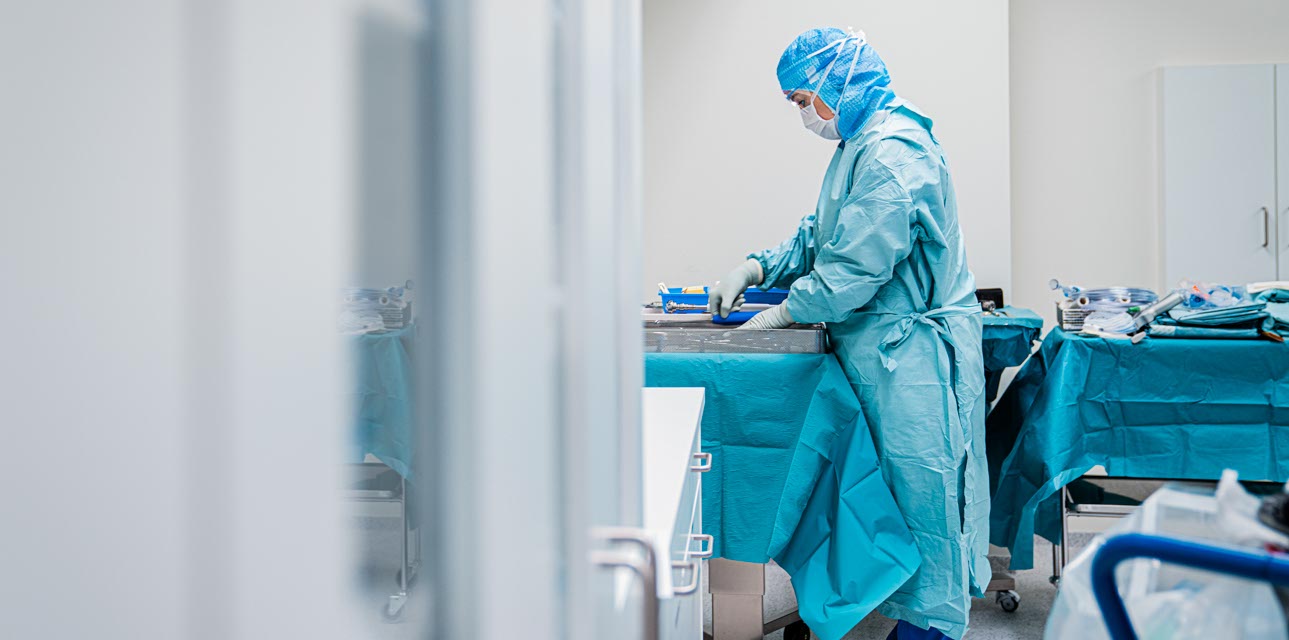
Why Sterile Processing Technician?
Sterile processing technicians play a critical behind-the-scenes role in protecting patient health. In this program, you’ll learn how improper handling of medical instruments can lead to infection and how precise sterilization practices help prevent the spread of disease. You’ll gain an understanding of how sterile processing supports safe, effective care across healthcare environments.
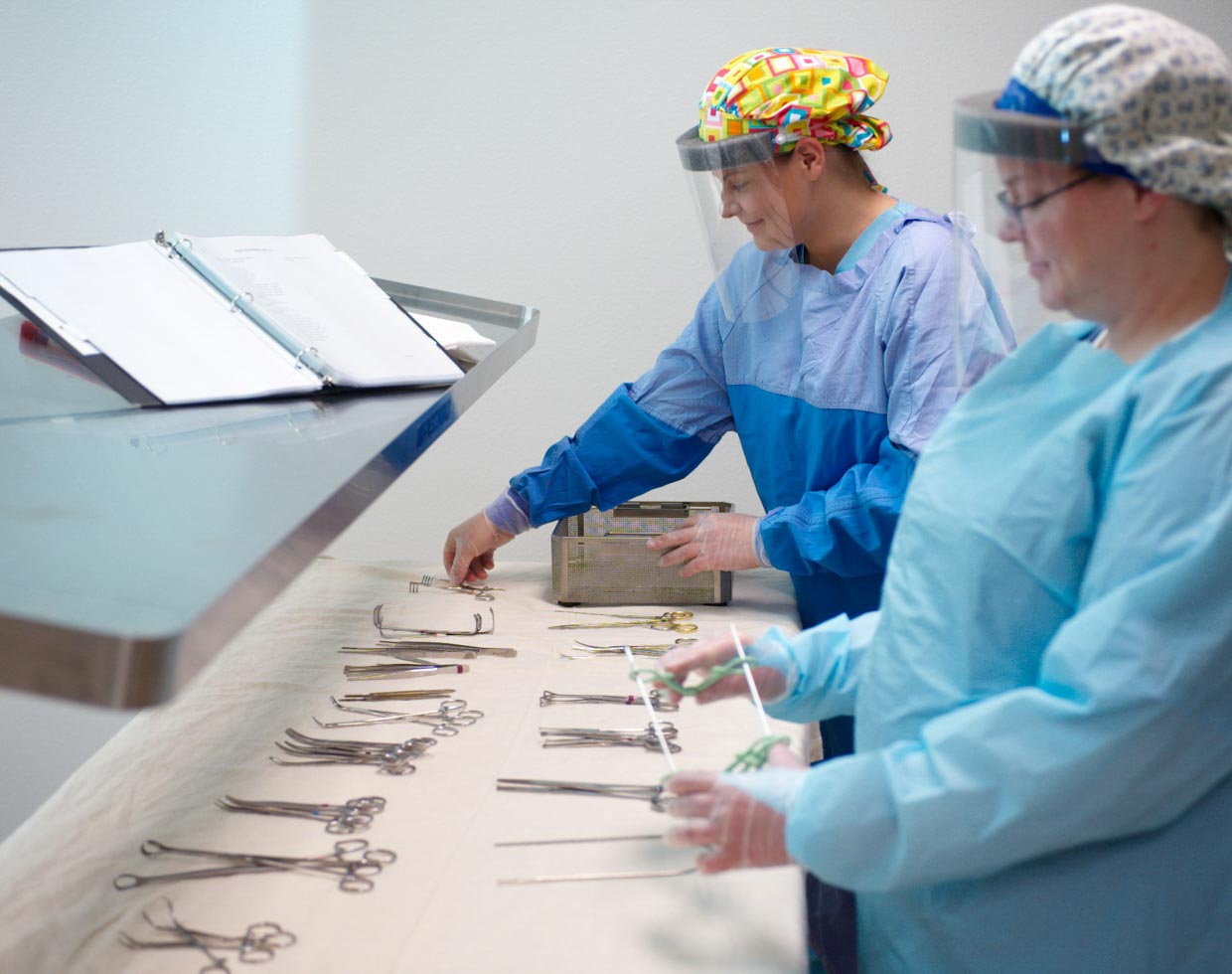
At Mid-State, you’ll receive hands-on training focused on processing, packaging, storing, and distributing medical instruments and equipment used in surgery, emergency care, obstetrics, and other clinical settings. Students benefit from hands-on simulation experiences in the Healthcare Simulation Center that enhance and support their clinical training. The curriculum includes online instruction, lab work, and clinical experiences at multiple sites, preparing you for technical diploma completion and eligibility for certification exams.
Program Facts
Program Outcomes
Graduates leave ready to succeed in their careers. Each year, data from Mid-State's Graduate Survey and statewide reports show consistently high satisfaction and strong starting salaries. Here's a snapshot of what success looks like after graduation.
Career Opportunities
Program Details
Take a closer look at what the program offers and what to expect.
Your course plan may vary, and you'll get a recommended sequence once you're enrolled. See below for full course details, see the program information guide, or talk with your advisor.
Meet our full-time instructors.
Nancy Dupee, AAS
Nancy earned her associate in applied science from Mid-State Technical College and is a Certified Surgical Technologist and Certified First Assistant. Her experience includes over 16 years as a clinical coordinator and assisting in lab preparation in the Surgical Technologist program at Mid-State.
“Being a teacher has many rewards, especially the pride I feel when each student has completed the program and walks across the stage to receive their much-deserved diploma.”
Employers will expect graduates of this program to be able to:
- Apply principles of infection control in the role of the sterile processing technician.
- Decontaminate instruments and equipment.
- Prepare instruments, equipment, and supplies.
- Apply sterilization techniques.
- Perform inventory control and distribution.
- Function as an ethical, legal, and professional member of the health care team.
Alongside your career training, you'll develop key workplace strengths. Explore the additional skills you'll build.
To succeed in this program, you'll need to meet certain technical standards. These are the key skills and abilities needed for the program and future career success—with or without reasonable accommodations. Be sure to review them carefully before you apply.
Explore the resources and next steps below. Your academic advisor will help you know what to complete and when.





Explore Other Options

Other Programs
Explore more Mid-State programs and find your path to success.

Workforce Training
Not ready for a full degree? Learn job-ready skills with our workforce training options.

Continuing Education
Add a new skill, explore a hobby, or take the next step in your career with our lifelong learning options.