Surgical Technology
Why Surgical Technology?
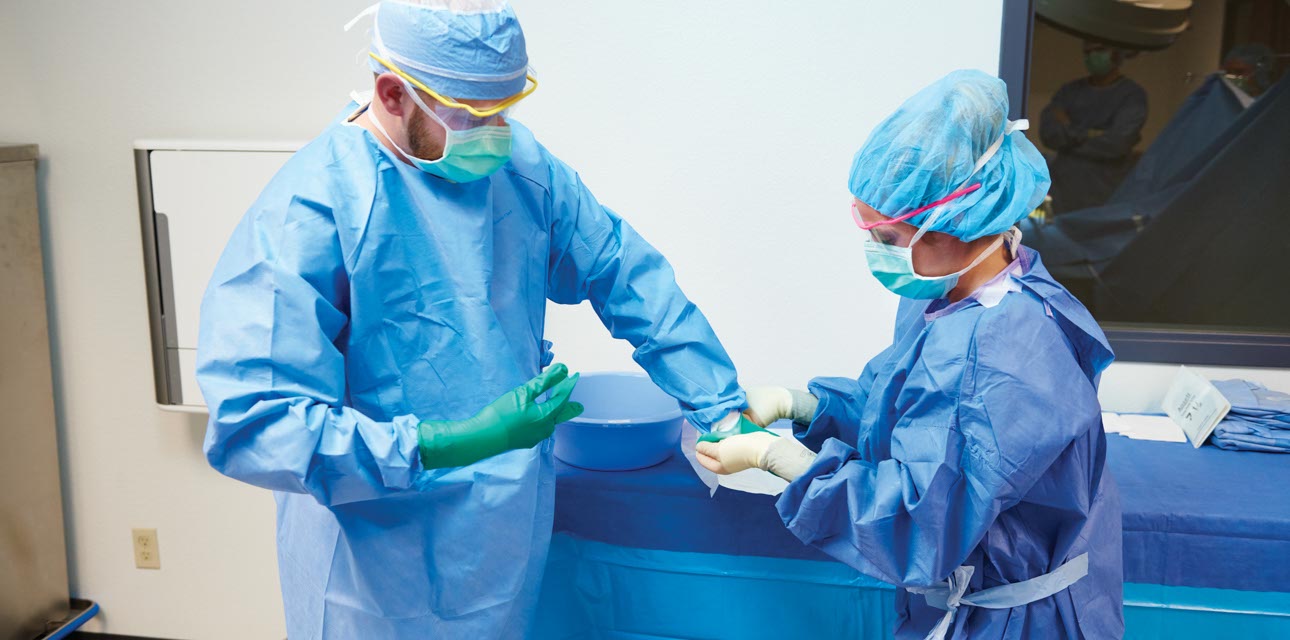
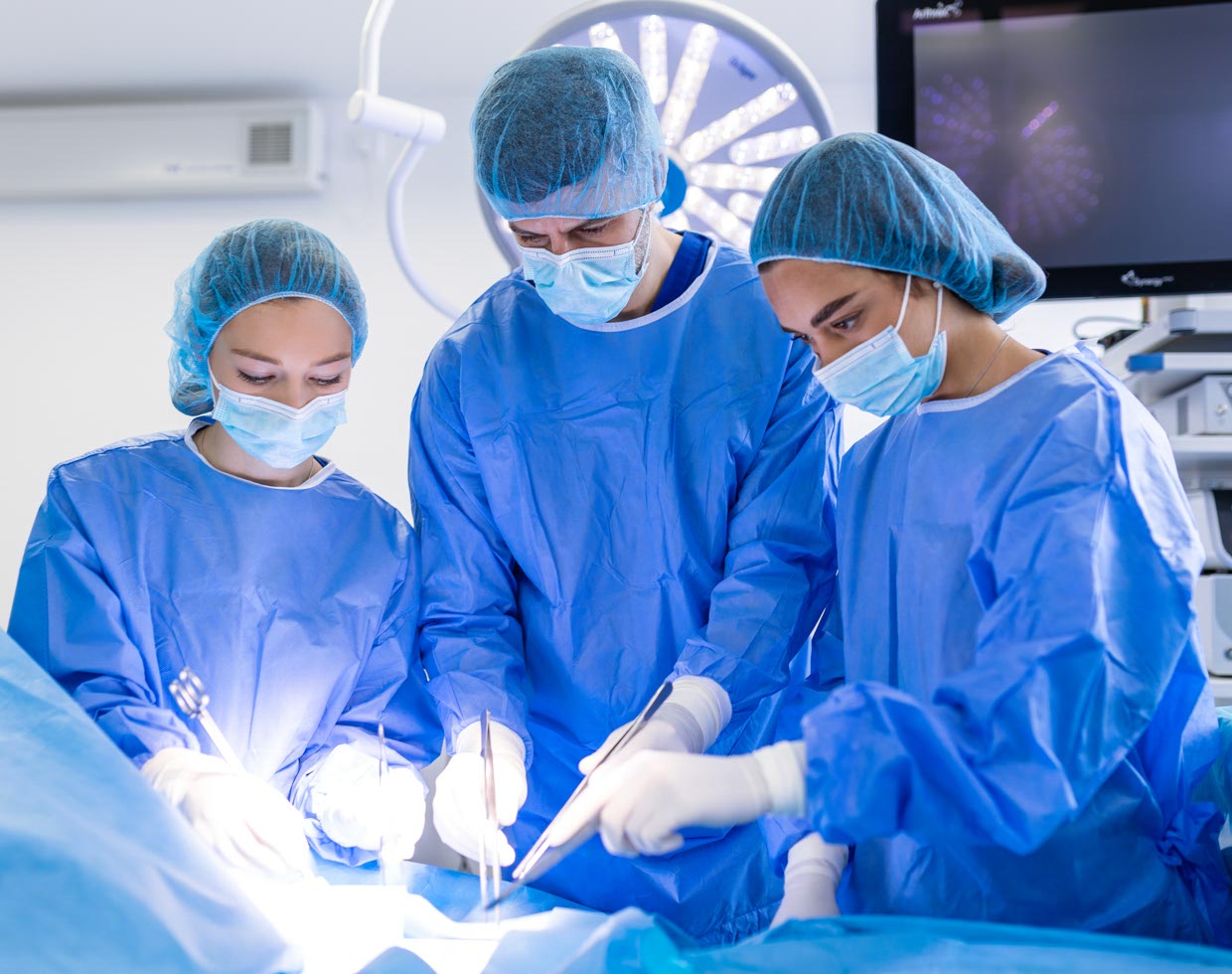
Surgical technologists are essential members of the operating room team, working alongside surgeons and nurses to ensure procedures run smoothly and safely. In this program, you’ll learn how to prepare operating rooms, manage sterile instruments and supplies, and support surgical teams before, during, and after procedures. Your ability to anticipate needs and stay focused under pressure plays a critical role in successful surgical outcomes.
At Mid-State, you’ll build technical skills through classroom instruction, lab training, and hands-on clinical experiences in hospitals, ambulatory centers, and sterile processing environments. Students benefit from hands-on simulation experiences in the Healthcare Simulation Center that enhance and support their clinical training. The program prepares you to work confidently in surgical settings and culminates in eligibility to earn the Certified Surgical Technologist (CST) credential after successful completion of the certification exam.
Program Facts
Program Outcomes
Graduates leave ready to succeed in their careers. Each year, data from Mid-State's Graduate Survey and statewide reports show consistently high satisfaction and strong starting salaries. Here's a snapshot of what success looks like after graduation.
Career Opportunities
Program Details
Take a closer look at what the program offers and what to expect.
Your course plan may vary, and you'll get a recommended sequence once you're enrolled. See below for full course details, see the program information guide, or talk with your advisor.
Meet our full-time instructors.
Nancy Dupee, AAS
Nancy earned her associate in applied science from Mid-State Technical College and is a Certified Surgical Technologist and Certified First Assistant. Her experience includes over 16 years as a clinical coordinator and assisting in lab preparation in the Surgical Technologist program at Mid-State.
“Being a teacher has many rewards, especially the pride I feel when each student has completed the program and walks across the stage to receive their much-deserved diploma.”
Amber Sanders, AS, BS, CST
Amber graduated from UW–Stout with a bachelor of science in career and technical education. She is a certified surgical technologist (CST) with over 13 years of hands-on experience in the operating room and five years serving as a clinical aide for the program. She continues to work in surgery alongside her teaching, ensuring she is able to bring current, real-world practices directly into the classroom and maintain strong connections with local hospitals and surgical teams.
“Teaching surgical technology is incredibly meaningful to me. The most rewarding part is witnessing a student's growth in their skills and confidence, as well as seeing their eyes light up when they grasp a concept and have an aha ‘light bulb’ moment.”
Employers will expect graduates of this program to be able to:
- Apply health care and technological science principles to the perioperative environment.
- Maintain principles of sterile technique in the surgical environment.
- Provide a safe, efficient, and supportive environment for the patient.
- Prepare the patient, operating room, and surgical team for the preoperative phase.
- Perform intraoperative case management in the scrub role.
- Perform postoperative case management.
- Function as an ethical, legal, and professional member of the health care team as determined by governing bodies.
Alongside your career training, you'll develop key workplace strengths. Explore the additional skills you'll build.
To succeed in this program, you'll need to meet certain technical standards. These are the key skills and abilities needed for the program and future career success—with or without reasonable accommodations. Be sure to review them carefully before you apply.
Explore the resources and next steps below. Your academic advisor will help you know what to complete and when.
Surgical Technology Program Handbook (PDF)
Occupational Risks
Surgical Technologists work directly with providers and patients, with the goal of providing health care and ensuring patient safety. They can perform both administrative and clinical services, filling several roles in a variety of healthcare environments. As with any healthcare position, there are certain occupational risks or hazards while performing their duties, including the following:
- Exposure to infectious diseases
- Sharps injuries
- Blood-borne pathogens and biological hazards
- Chemical and drug exposure
- Ergonomic hazards from lifting, sitting, and repetitive tasks
- Latex allergies
- Stress
Nevertheless, there are protections set up by the Occupational Safety and Health Administration (OSHA), and those protections are particularly important within a healthcare environment. OSHA has a series of standards that protect the safety of healthcare workers and patients. As an accredited program, Mid-State Technical College’s Surgical Technology program teaches students about the hazards they may face on the job and protocols that can be put into place to ensure a workplace culture that prioritizes safety.
If a student has an exposure, the student must immediately notify the Program Director and clinical site supervisor. The supervisor will complete the Bloodborne Pathogen Exposure Report. The Program Director will contact the Dean of Allied Health. The Dean will complete the First Report of Injury Form with the student.





Quality You Can Trust
Program accreditation means your program meets high-quality standards recognized by employers and industry leaders. It ensures your education is respected, your credits are more likely to transfer, and your credential holds real value in the job market.
Explore Other Options

Other Programs
Explore more Mid-State programs and find your path to success.

Workforce Training
Not ready for a full degree? Learn job-ready skills with our workforce training options.

Continuing Education
Add a new skill, explore a hobby, or take the next step in your career with our lifelong learning options.