Utility Tree Trimmer
Why Utility Tree Trimmer?
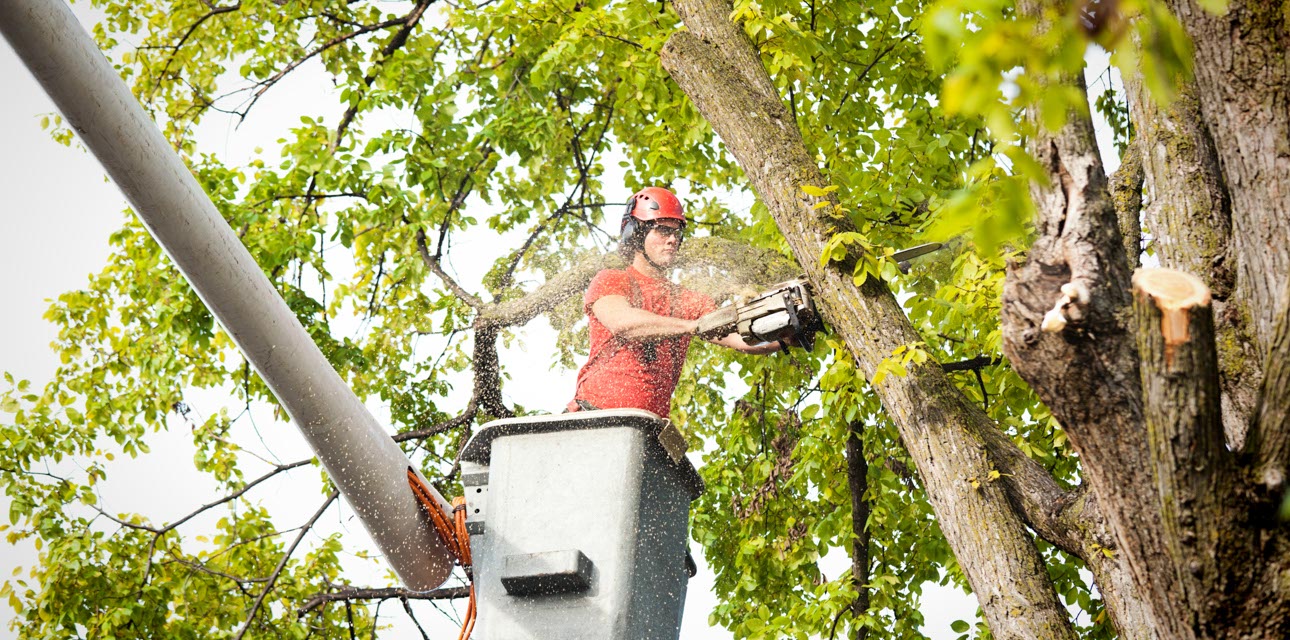
Utility tree trimmers play a vital role in keeping essential services running safely and reliably. In this program, you’ll learn how vegetation management supports electric lines, railroads, gas lines, and other critical infrastructure. It’s active, outdoor work that combines technical skill, environmental awareness, and teamwork to protect communities and maintain uninterrupted service.
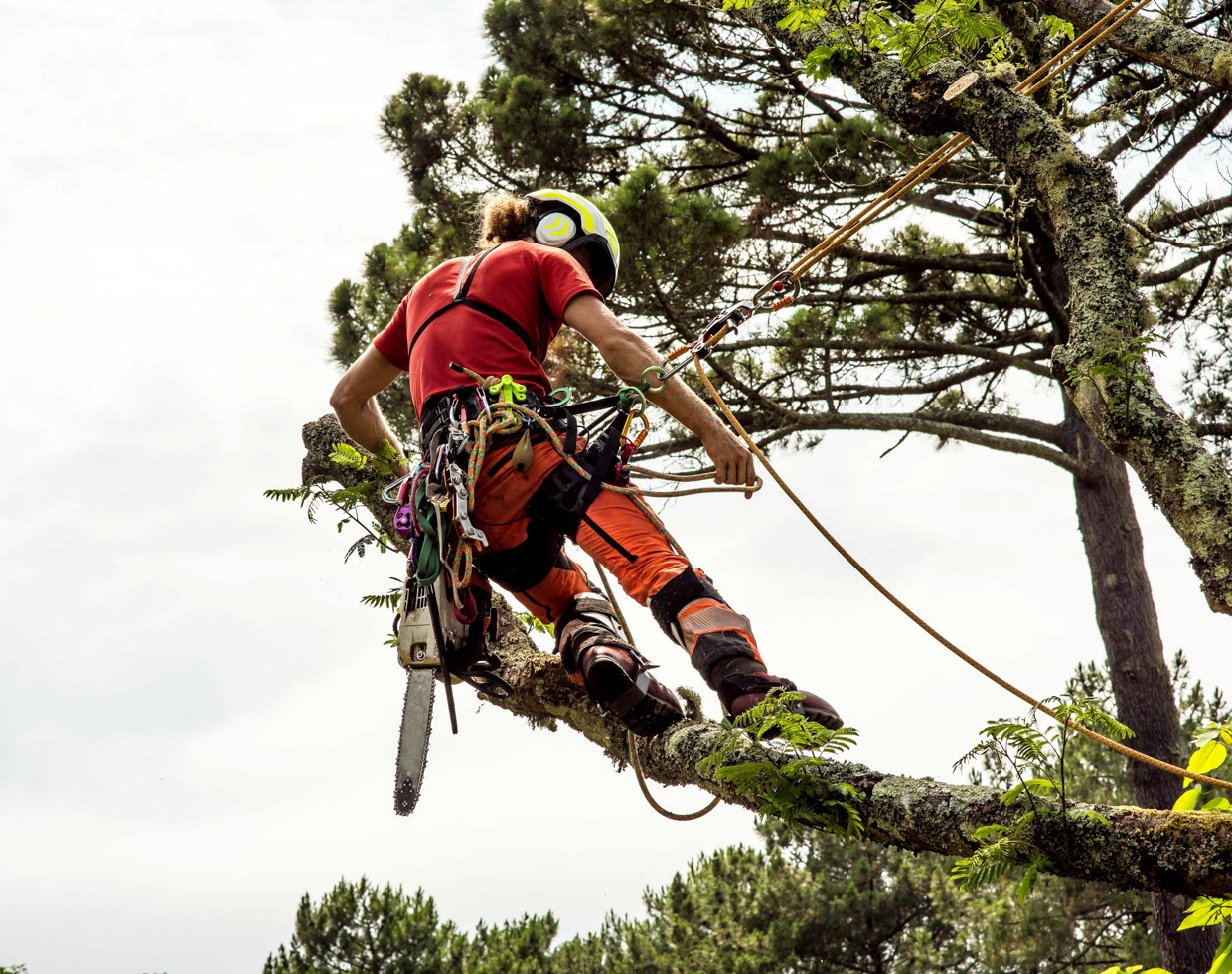
At Mid-State, this one-year technical diploma is embedded within the Arborist Technician associate degree and emphasizes hands-on learning in outdoor environments. You’ll train in electrical safety, tree pruning, chainsaw operation, climbing and aerial work, tree identification, pesticide application, and crew leadership. A unique aerial component ensures you gain real-world experience working safely in trees while building confidence and skill.
Program Facts
Program Outcomes
Graduates leave ready to succeed in their careers. Each year, data from Mid-State's Graduate Survey and statewide reports show consistently high satisfaction and strong starting salaries. Here's a snapshot of what success looks like after graduation.
Career Opportunities
Program Details
Take a closer look at what the program offers and what to expect.
Your course plan may vary, and you'll get a recommended sequence once you're enrolled. See below for full course details, see the program information guide, or talk with your advisor.
Meet our full-time instructors.
Joe Hoffman, BS, MF
To students and apprentices pursuing rewarding careers in arboriculture, Joe brings the experience of 15+ years in the field and over two decades of teaching and training. The joy he derives from serving students is evidenced by several years of bringing students to industry conferences and leading student clubs. Joe is also an ISA Certified Arborist®, earned his bachelor’s in urban forestry from UW-Stevens Point, and holds a master of forestry degree from Virginia Tech.
“There’s great joy in walking alongside people and helping them experience their curiosities blossoming into discovery and learning.”
Luke Scheberl, MS
Luke earned his MS in soil science from UW–Stevens Point. He also holds a BS in urban forestry. He is an ISA Certified Arborist® and a Wisconsin Certified Pesticide Applicator (3.0). His experience includes over 10 years in landscape/turf management, commercial tree care (climbing, lift, planting, and treating), tree inventories, soil assessment, and research. He taught for three years at Gateway Technical College in Kenosha before joining Mid-State Technical College full-time in 2021.
“Arboriculture isn’t just another job. It is a passionate industry where outside is your daily office and trees are your clients! We do have fun here!”
Employers will expect graduates of this program to be able to:
- Identify woody plants by common and scientific name.
- Apply tree biology for arboricultural maintenance practices.
- Adhere to industry safety standards.
Alongside your career training, you'll develop key workplace strengths. Explore the additional skills you'll build.
To succeed in this program, you'll need to meet certain technical standards. These are the key skills and abilities needed for the program and future career success—with or without reasonable accommodations. Be sure to review them carefully before you apply.





Explore Other Options
Other Programs
Explore more Mid-State programs and find your path to success.

Workforce Training
Not ready for a full degree? Learn job-ready skills with our workforce training options.

Continuing Education
Add a new skill, explore a hobby, or take the next step in your career with our lifelong learning options.